Search
No search results found
No search results found
Ortovox Carbon 240 Superlight
See our entire range from Ortovox here!
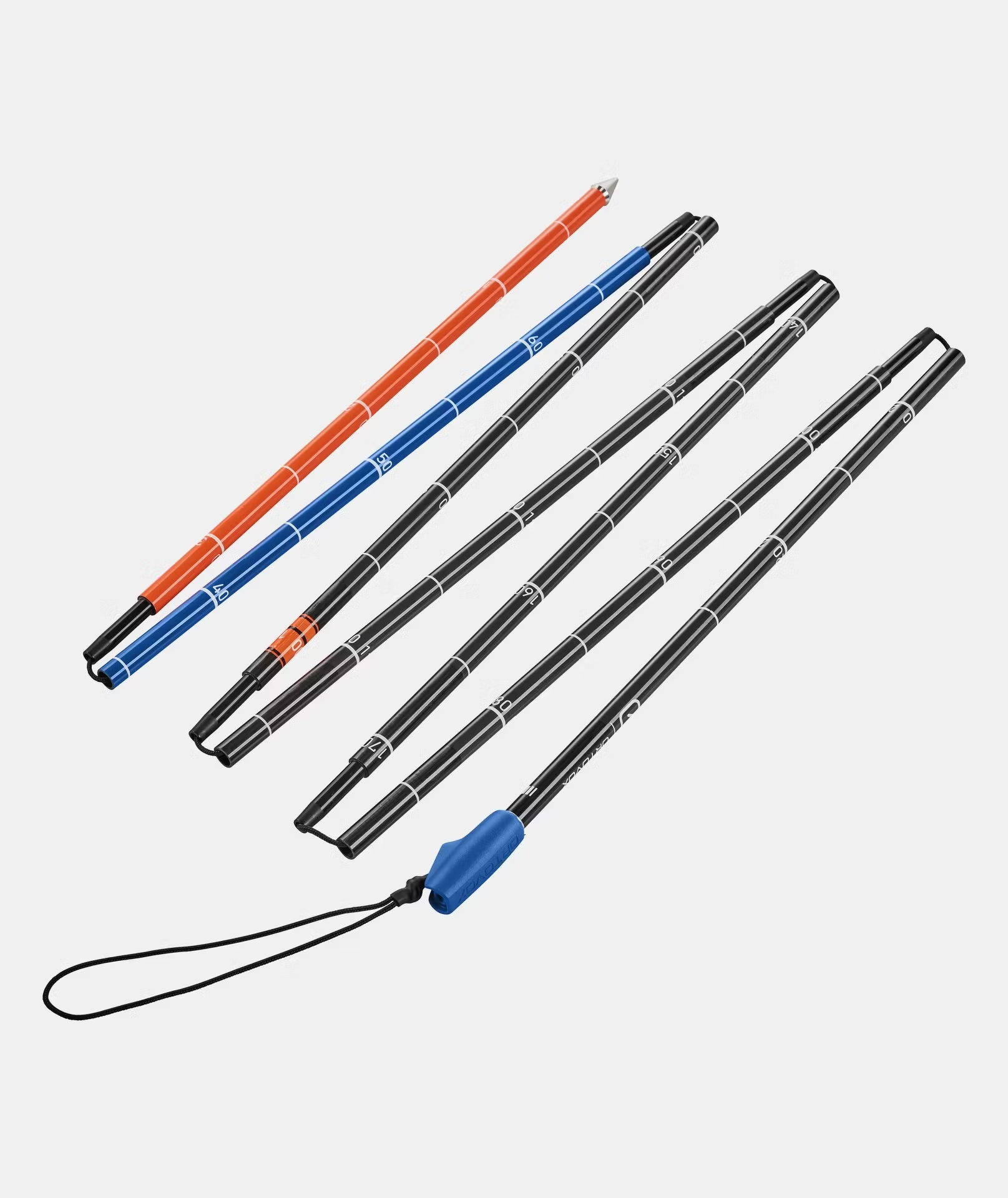
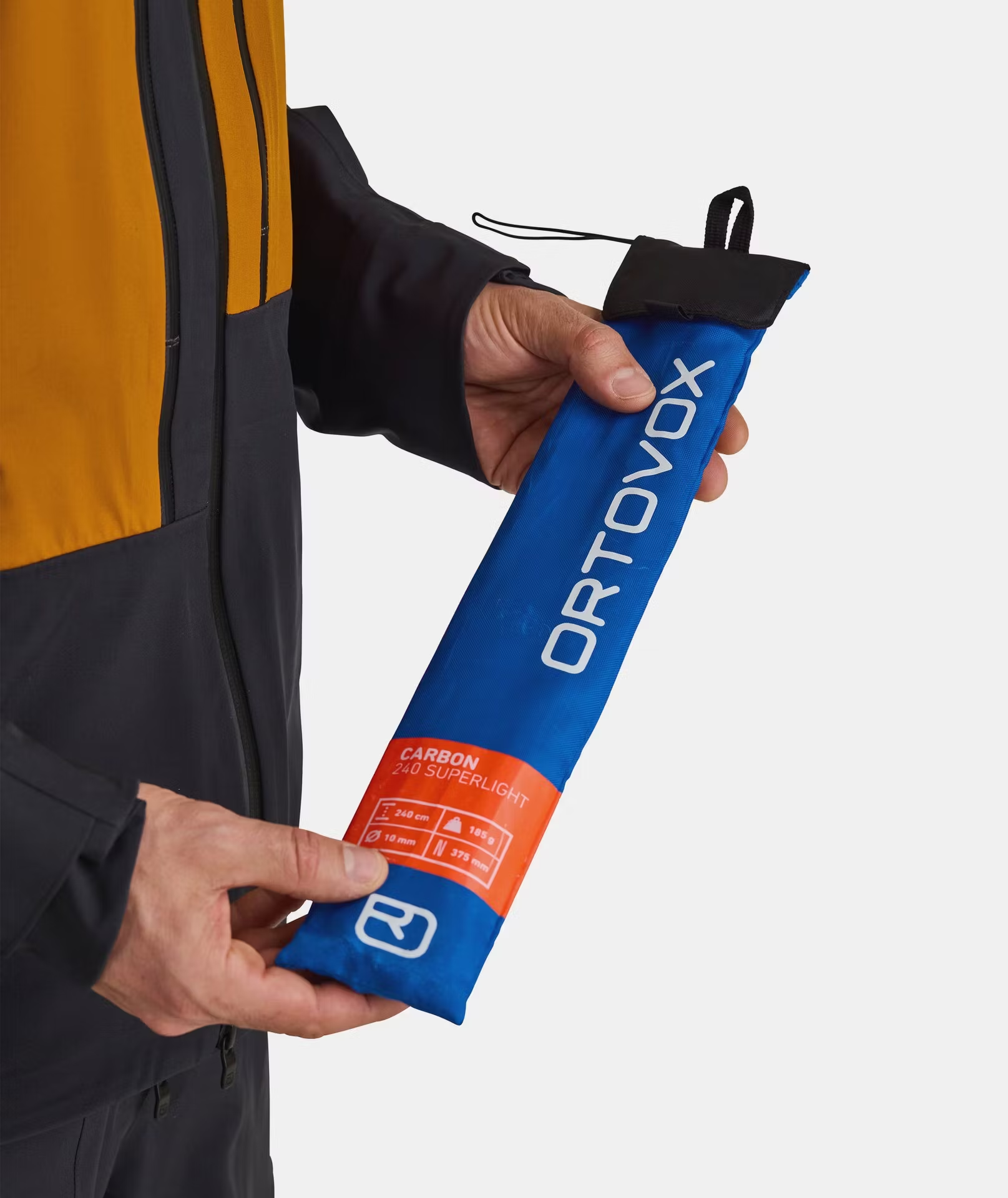
The Ortovox Carbon 240 Superlight is an extremely light and compact avalanche probe for mountaineering, freeskiing and other activities in avalanche terrain. The carbon fiber construction gives a total weight of only 185 grams, making this Ortovox's lightest avalanche probe.
The probe is 240 centimeters long when assembled and consists of seven short segments. The pack length is only 37.5 centimeters, so it fits easily into the avalanche equipment compartment of most mountaineering backpacks.
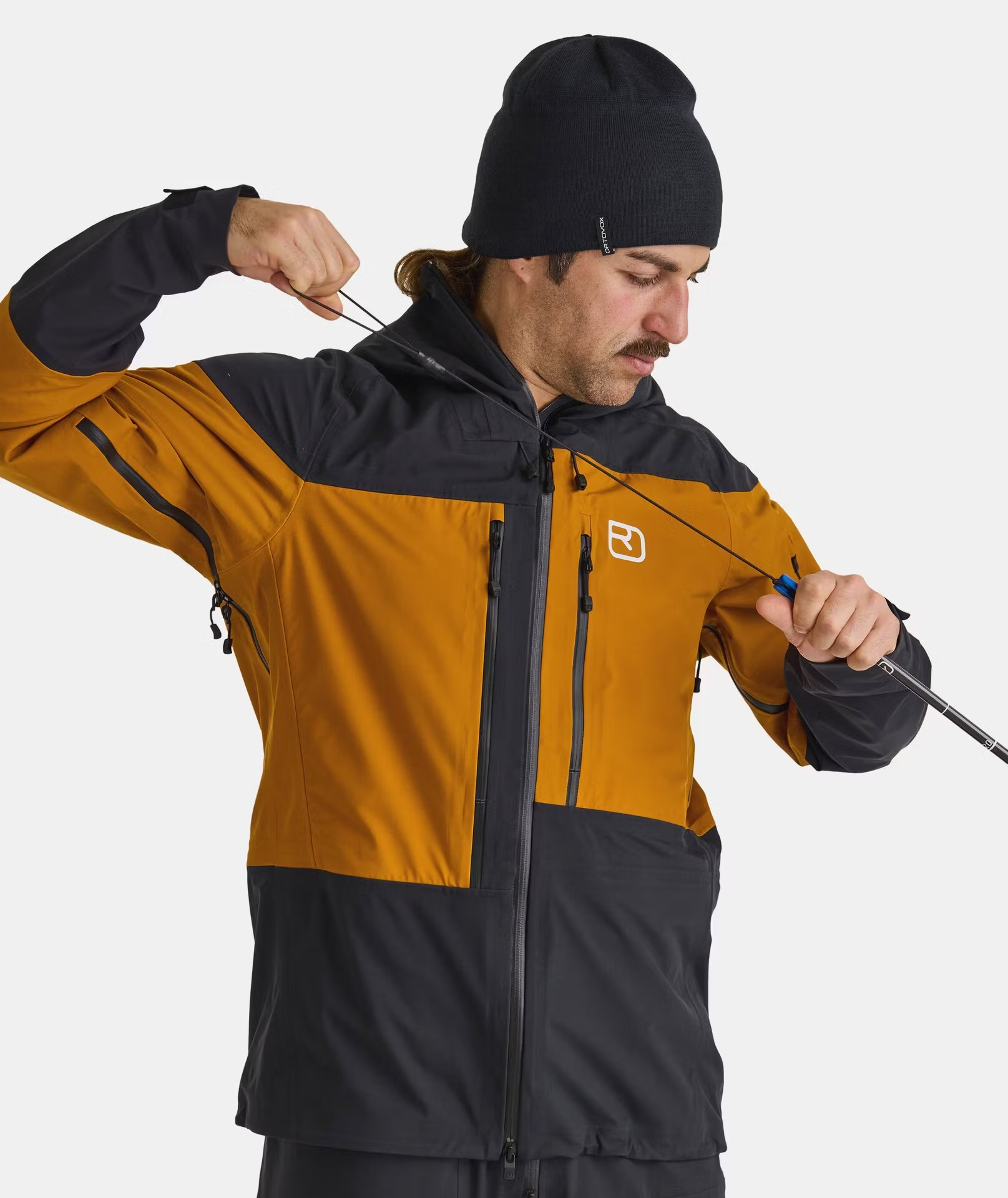
The Quick Lock system makes the probe quick to assemble. The segments are unfolded and tensioned by pulling the pull cord until the knot locks into the system. The structure can therefore be ready for use in a matter of seconds.
An adjustment screw allows for fine adjustment of the tension. It is important to check that all segments are properly connected and that the probe is fully locked before starting the probing.
The probe segments are made of carbon fiber, a rigid material that combines low weight with good dimensional stability. The internal clamping system uses aramid, whose low weight and limited elongation help keep the segments firmly joined together.
The 10 millimeter diameter contributes to the low weight and compact packing volume. The enlarged probe tip has a larger diameter than the segments themselves and is designed to facilitate penetration into the snow.
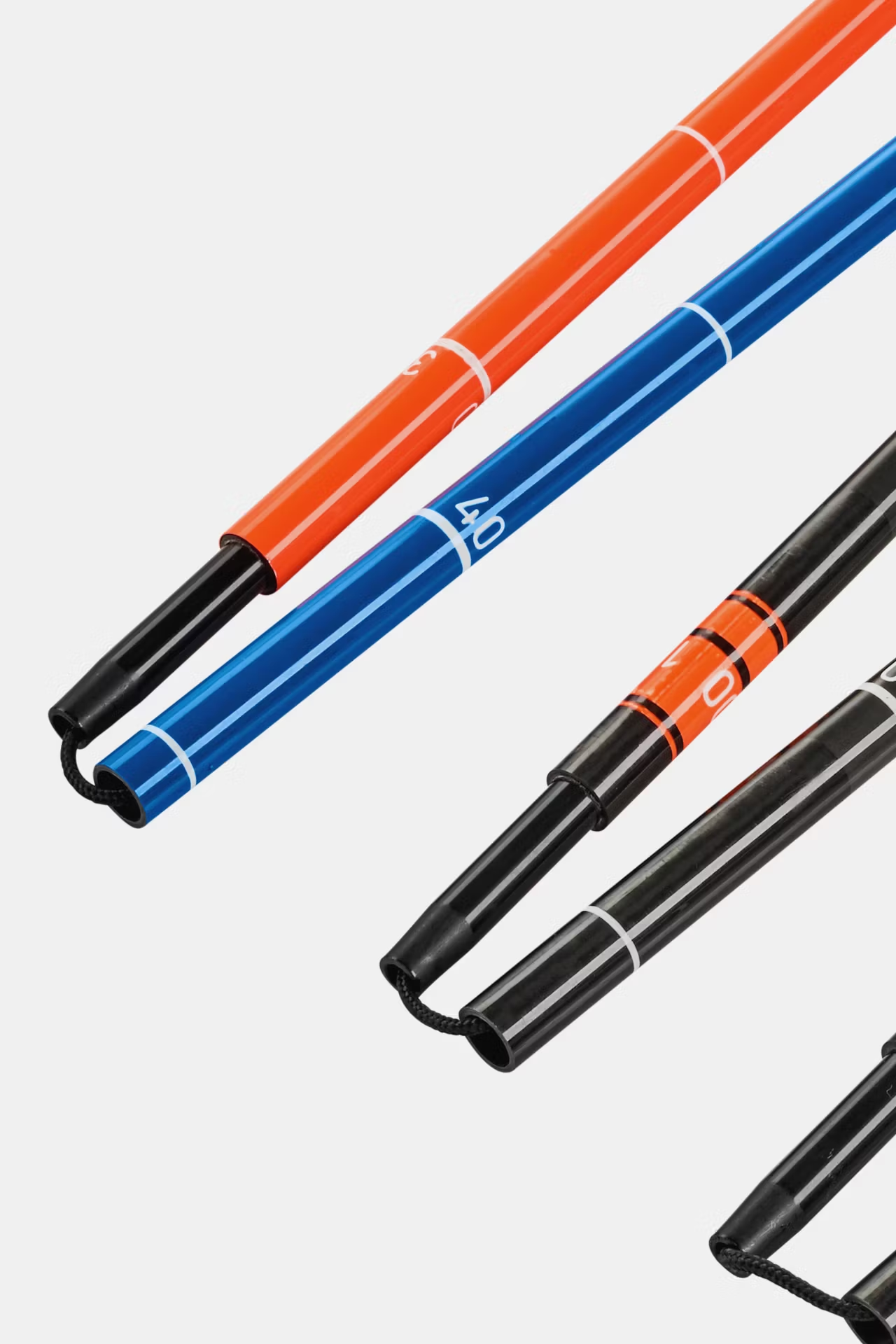
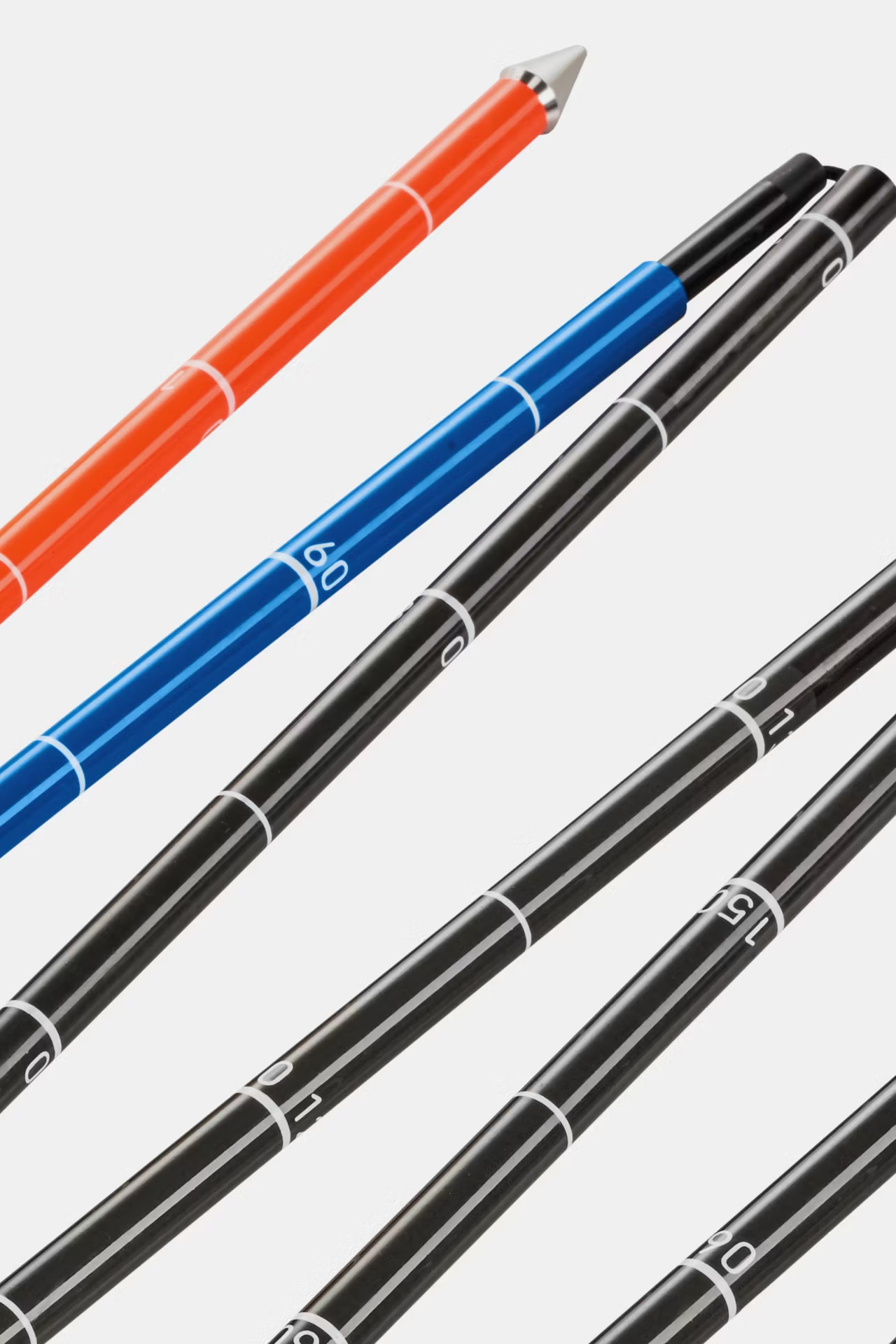
The Ortovox Visual Guide System provides clear information about the depth of the excavation. A contrasting depth scale and a marked one-meter level make it easier to estimate how deep a buried person is and plan the subsequent excavation.
The colored end segments provide additional visual guidance. The bottom segment is neon orange and marks when the probe tip is approaching the buried person.
Extremely lightweight carbon fiber avalanche probe
Weighs only 185 grams
240 cm long when assembled
Compact pack length of 37.5 cm
Seven short and easy-to-store segments
Quick Lock system for fast assembly
Adjustment screw for correct tension
Lightweight aramid tensioning system
Clear depth markings
Marked one-meter level
Contrasting depth scale
Colored end segments
Neon orange proximity segment
Enlarged probe tip for more effective penetration
Developed for top tours and freeskiing
Color: Black/Deep Black
Material, segment: Carbon fiber
Material, tensioning system: Aramid
Length, assembled: 240 cm
Pack length: 37.5 cm
Diameter: 10 mm
Number of segments: 7
Weight: 185g
Mounting system: Quick Lock
Tension adjustment: Adjustment screw
Depth markings: Yes
One-meter marking: Yes
Visual guide system: Yes
Probe tip: Enlarged tip
Recommended use: Top tours and freeskiing
An avalanche probe is used after a buried person has been located as accurately as possible with an avalanche transceiver. The probe confirms the hit and helps the rescuer determine the person's exact position and depth before digging begins.
The probe is part of the basic avalanche equipment and should always be carried together with a working avalanche transceiver and a proper avalanche shovel. The equipment does not prevent avalanches and does not replace knowledge of avalanche forecasting, route selection, buddy rescue or risk assessment.
Practice retrieving, assembling and using the probe with gloves regularly. Check the Quick Lock system and tension before each ride so that the equipment can be used without delay in an emergency.
Wipe the probe after use and allow all segments and the pull cord to dry completely before storing. Store dry and protected from heat, chemicals, and prolonged exposure to strong sunlight.
Regularly check the carbon fiber segments, joints, probe tip and aramid rope. Do not use the probe if a segment is cracked, severely scratched or deformed, or if the locking and tensioning system is not working properly.