Search
No search results found
No search results found
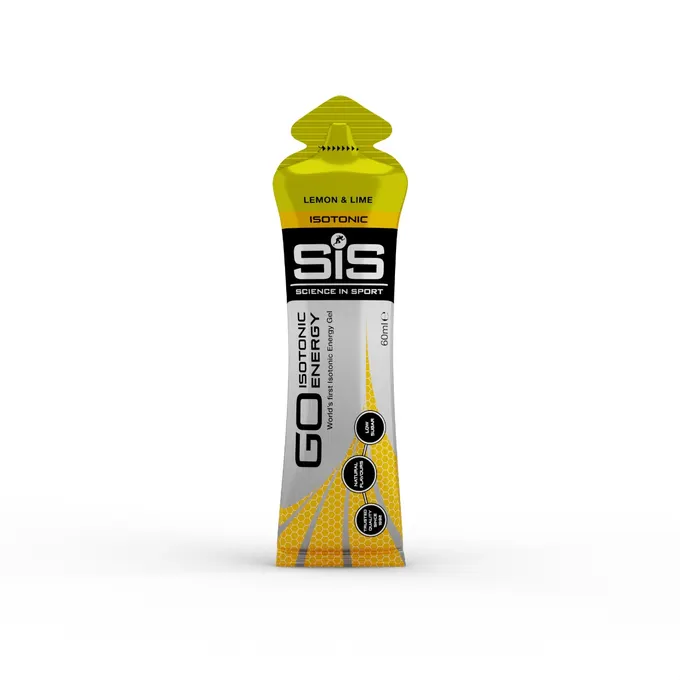
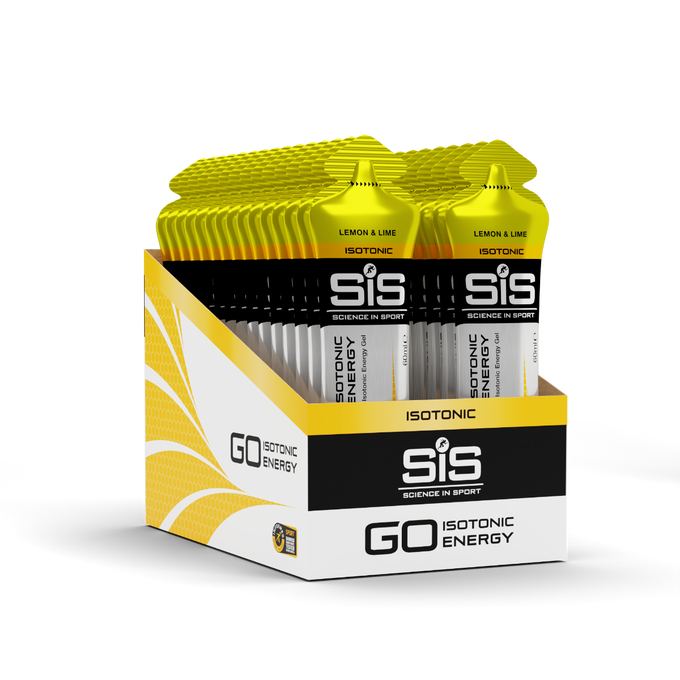
SiS Go Isotonic Energy Gels - Lemon & Lime
SiS GO Isotonic Energy Gel – Lemon & Lime is a light-flowing energy gel with a fresh lemon and lime flavor. Each 60 ml serving provides 22 g of carbohydrates and approximately 87 kcal .
The isotonic formulation means that the gel can be consumed without the need to drink water immediately afterwards, making it convenient during running, cycling, triathlons, skiing and other activities where you need readily available carbohydrates during movement.
See our entire range from Science In Sport here!
SiS GO Isotonic Energy Gel Lemon & Lime is designed to provide carbohydrates during training and competition in a format that is easy to carry and easy to consume.
Each gel provides 22 grams of carbohydrates from maltodextrin . Unlike more concentrated gels, GO Isotonic has a thinner, isotonic consistency that does not need to be diluted with extra water in the stomach. SiS describes it as the world's first isotonic energy gel and as a quick and easy-to-consume carbohydrate source during activity.
The Lemon & Lime flavor combines the tartness of lemon with a fresh note of lime. It's especially great when you want a refreshing alternative to sweeter berry, cola, or tropical flavors.
The gel does not contain any added caffeine according to the current ingredient list. It can therefore be used as a caffeine-free base gel or combined with a separate caffeine product when caffeine is included in the energy plan.
22 g carbohydrates per gel
60 ml portion pack
Isotonic and light-flowing consistency
Can be taken without additional water immediately afterwards
Fresh taste of lemon and lime
Maltodextrin as a carbohydrate source
No added caffeine
Easy to carry in a running vest, belt or bike pocket
Suitable for energy intake during training and competition
Can be combined with sports drinks, electrolytes and other energy
Informed Sport certified
SiS products are tested within the Informed Sport program, which includes product review, laboratory testing, batch testing and random checks for banned substances.
| Property | Information |
|---|---|
| Product | SiS GO Isotonic Energy Gel |
| Taste | Lemon & Lime |
| Swedish flavor name | Lemon and lime |
| Product type | Isotonic energy gel |
| Serving size | 60 ml |
| Carbohydrates | 22g per gel |
| Energy | 368 kJ/87 kcal per gel |
| Carbohydrate source | Maltodextrin |
| Sugars | Approximately 0.6 g per gel |
| Fat | 0 g per gel |
| Protein | 0 g per gel |
| Salt | Approximately 0.01 g per gel |
| Caffeine | No added caffeine |
| Water upon intake | Not needed immediately after the gel |
| Certification | Informed Sport |
| Use | During physical activity |
| Nutritional value | Per 100 ml | Per gel, 60 ml |
| Energy | 613 kJ/144 kcal | 368 kJ/87 kcal |
| Fat | 0.1g | 0 g |
| Of which saturated fat | 0 g | 0 g |
| Carbohydrates | 36 g | 22g |
| Of which sugars | About 1g | Approximately 0.6g |
| Protein | 0 g | 0 g |
| Salt | Approximately 0.01g | Approximately 0.01g |
Water, maltodextrin (33%), flavoring, gelling agents: gellan gum and xanthan gum, acidity regulators: citric acid and sodium citrate, sweetener: acesulfame K, preservatives: sodium benzoate and potassium sorbate, sodium chloride and antioxidant: ascorbic acid.
Each SiS GO Isotonic Energy Gel provides 22g of carbohydrates , making it easy to use for smaller, more frequent energy intakes:
1 gel provides 22 g of carbohydrates
2 gels provide 44 g of carbohydrates
3 gels provide 66 g of carbohydrates
4 gels provide 88 g of carbohydrates
The gel can be used as part of a regimen where the goal is approximately 60–90 g of carbohydrates per hour , depending on the sport, activity and individual tolerance. The manufacturer describes the use as approximately 1–3 or more gels per hour depending on the total carbohydrate goal.
A high carbohydrate intake needs to be trained in gradually. Therefore, test the amount, timing and product combinations during regular training sessions before using the same setup in competition.
An isotonic product has a concentration that allows it to pass through the stomach without the need for extra fluid to first be drawn in to dilute the contents.
SiS describes GO Isotonic as a gel that can be consumed without water and is designed for faster transit through the stomach. This is especially handy when you're running between hydration stations or don't want to rely on a bottle for every gel intake.
However, this does not mean that the gel replaces the body's fluid needs. During longer activities, water or sports drink still needs to be planned according to temperature, intensity and individual sweat loss.
GO Isotonic Energy Gel is a so-called single-source gel , where the carbohydrates mainly come from maltodextrin.
SiS positions GO Isotonic as an option when you want easily accessible carbohydrates in a smaller portion size. The company's educational materials recommend maltodextrin-based GO Isotonic products primarily for activities up to about two hours, while the BETA Fuel series combines maltodextrin and fructose for higher carbohydrate intake during longer activities.
GO Isotonic can also be used during longer runs, but for high carbohydrate goals it may be practical to combine it with sports drinks, chews, bars or products with multiple carbohydrate sources.
Lemon & Lime is a standard variant with no added caffeine. The current ingredient list does not contain any caffeine.
This makes the gel suitable when you:
Want to use multiple gels during the same activity
Working out late in the day
Are sensitive to caffeine
Want to control caffeine separately
Already using coffee or another caffeine product
Looking for a simple carbohydrate gel without additional active ingredients
SiS has a separate product line called GO Isotonic Energy + Caffeine , which should not be confused with this caffeine-free gel.
Tear off the top and squeeze the contents directly into your mouth as needed. Depending on activity and total carbohydrate goal, the company suggests approximately 1–3 or more gels per hour to reach approximately 60–90 grams of carbohydrates.
A practical approach could be:
1 gel per hour
22 g carbohydrates
Supplement with regular food or sports drink if necessary
2 gels per hour
44 g carbohydrates
Supplement with, for example, 15–30 g of carbohydrates from a sports drink
3 gels per hour
66 g carbohydrates
Combine with sports drink if necessary for a higher total intake
4 gels provide 88 g of carbohydrates
Alternatively, combine fewer gels with a sports drink or another energy product
The examples are not individual recommendations. Adjust intake according to the length of activity, intensity, previous experience and stomach tolerance.
Tear off the top of the portion packaging.
Squeeze the gel directly into your mouth.
Swallow the entire portion or spread it over a few minutes.
Take your next energy intake according to your tested plan.
Plan liquid separately according to the conditions.
Put the empty envelope in your pocket until it can be thrown away.
The isotonic consistency means that water does not need to be drunk directly with the gel.
Running
Trail running
Half marathon
Marathon
Longer distance sessions
Road cycling
Gravel and mountain biking
Triathlon
Cross-country skiing
Roller skiing
Interval and tempo workouts
Activities where you want energy without drinking directly
22 g carbohydrates
Maltodextrin as the main carbohydrate source
Isotonic and easy-flowing
Can be taken without water immediately afterwards
Fits smaller, more frequent energy intakes
Caffeine-free standard variant
40 g carbohydrates
Maltodextrin and fructose in a ratio of 1:0.8
More carbohydrates per package
Developed for higher intake during longer endurance activities
Requires fewer packages for the same amount of carbohydrates
SiS educational materials position GO Isotonic as a maltodextrin-based gel for quick energy and BETA Fuel as the option when multiple carbohydrate sources are needed for higher intake during activities over two hours.
22 g carbohydrates
No added caffeine
Can be used as a base gel
Suitable for caffeine-sensitive people and evening sessions
22 g carbohydrates
Contains caffeine
Suitable when caffeine is a planned part of the plan
Total caffeine needs to be calculated from all sources
Choose Lemon & Lime when you only want to add carbohydrates. Choose the caffeine variant when caffeine has been tested and is included in the competition plan.
22 g carbohydrates
Primarily developed as a carbohydrate gel
Very small amount of salt
Caffeine-free
22 g carbohydrates
Contains added sodium, potassium and magnesium
Suitable when electrolytes are to be included in the gel intake
Available in the flavors Lemon & Mint, among others.
According to the manufacturer, SiS GO Energy + Electrolyte Lemon & Mint contains 118 mg of sodium, 9.5 mg of potassium and 1.5 mg of magnesium per gel.
SiS GO Isotonic Energy Gel is covered by the Informed Sport program . SiS states that the certification includes review, multiple laboratory tests, batch tests and random checks for substances on the WADA list of prohibited substances.
The certification is particularly relevant for elite athletes and other competitors subject to anti-doping regulations. The athlete still has their own responsibility to control the current product and batch.
Store the gel dry and cool.
Protect the packaging from direct sunlight.
Avoid prolonged storage in a hot car.
Check that the portion packaging is undamaged.
Consume opened gel immediately.
Follow the best before date on the packaging.
Take empty packaging home or to the nearest waste container.
Each gel contains 22 g of carbohydrates.
Add up carbohydrates from gels, drinks, bars and food.
The gel can be taken without water immediately afterwards but does not replace fluid.
The product is not an electrolyte gel.
Lemon & Lime is not a caffeine variant.
High carbohydrate intakes need to be introduced gradually.
Test the product during training before competition.
Check the current ingredient and nutritional information.
Sports nutrition does not replace a varied and balanced diet.
Each serving contains 60 ml of gel.
Each gel contains 22 g of carbohydrates.
A 60 ml gel provides 368 kJ or 87 kcal.
GO Isotonic Energy Gel uses maltodextrin as the main carbohydrate source.
No. The isotonic formulation means that water does not need to be drunk directly with the gel. Fluids still need to be planned separately during longer activities.
The current ingredient list does not indicate any added caffeine. SiS sells caffeinated gels as a separate product line.
SiS suggests approximately 1–3 or more gels per hour depending on activity and the goal of reaching approximately 60–90 g of carbohydrates per hour.
No. Three gels provide a total of 66 g of carbohydrates. Four gels provide 88 g. A higher intake can also be achieved by combining gels with sports drinks or other energy products.
Yes. It can be used as part of a proven marathon plan, especially when you want to take in carbohydrates in smaller portions of 22 grams.
Yes. The packaging is easy to carry in a cycling jersey, frame bag or top tube bag and the gel can be taken without the need to drink water directly.
It can be used during ultra running, but for high carbohydrate goals it may need to be combined with other carbohydrate sources, sports drinks and more food-like energy.
No. The standard version GO Isotonic contains only a very small amount of salt. Choose GO Energy + Electrolyte or a separate electrolyte product when you need a more pronounced electrolyte supplement.
Yes. SiS states that the product is covered by the Informed Sport program.
GO Isotonic provides 22 g of carbohydrates from maltodextrin. BETA Fuel provides 40 g from maltodextrin and fructose in a ratio of 1:0.8 and is designed for higher carbohydrate intake during longer activities.