Search
No search results found
No search results found
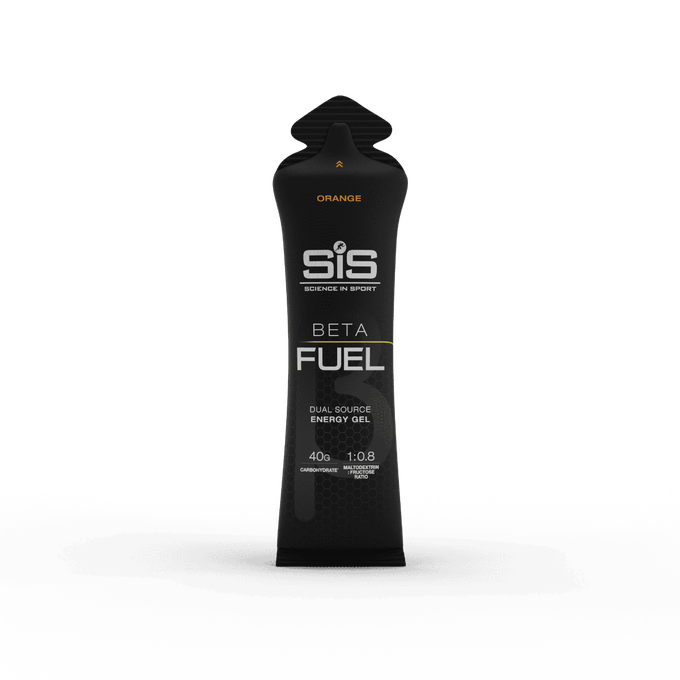
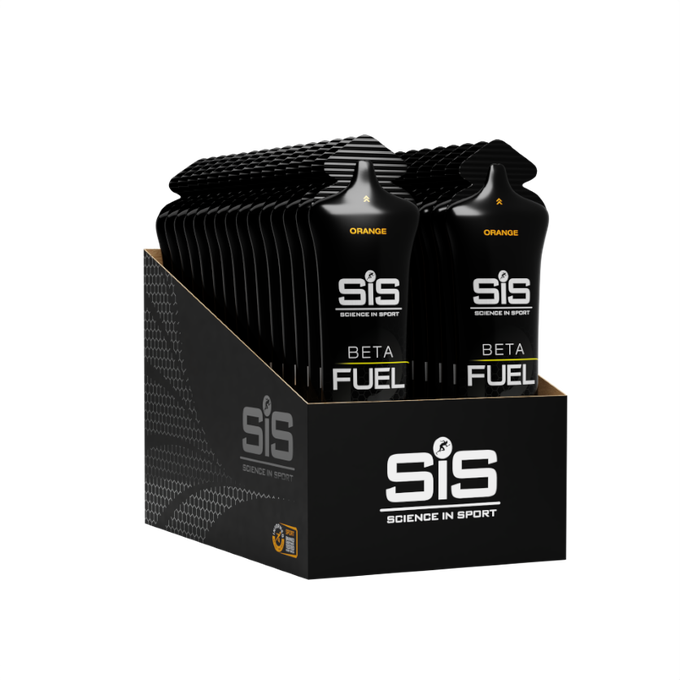
SiS Beta Fuel Gel - Orange
SiS BETA Fuel Gel – Orange is a carbohydrate-rich energy gel for long training sessions and competitions. Each 60 ml gel provides 40 g of carbohydrates from maltodextrin and fructose in a ratio of 1:0.8 .
The gel is designed for endurance activities over approximately two hours and can be used alone or in combination with other products in the BETA Fuel series to achieve a planned carbohydrate intake of 80–120 g per hour. SiS indicates 1–3 gels per hour depending on the sport, activity and energy plan.
The Orange flavor provides a classic and fruity orange taste. The product contains no added caffeine according to SiS comparison between BETA Fuel, BETA Fuel + Electrolytes and BETA Fuel + Nootropics.
See our entire range from Science In Sport here!
SiS BETA Fuel Gel Orange is developed for runners, cyclists, triathletes, skiers and other endurance athletes who want to provide a lot of carbohydrates in a compact and easy-to-use format.
Unlike SiS GO Isotonic Energy Gel, which contains 22g of carbohydrates per gel, BETA Fuel Gel provides 40g of carbohydrates per serving . This makes it especially useful during longer activities where you want to reduce the number of packs but still maintain a high carbohydrate intake.
BETA Fuel uses maltodextrin and fructose in a ratio of 1:0.8 . SiS describes the product as a dual-source, high-carbohydrate energy gel for activities over two hours, where the athlete needs to plan energy intake more carefully.
Orange is the classic flavor in the range and is great when you want a clear, fruity and familiar flavor during long workouts, races and bike rides.
40 g carbohydrates per gel
60 ml portion pack
Maltodextrin and fructose in a ratio of 1:0.8
Caffeine-free standard gel
Orange flavor
Developed for activities over approximately two hours
Can be used in energy plans of 80–120 g carbohydrates per hour
Practical format for running, cycling, triathlon and skiing
Easy to carry in vest, belt, pocket or cycling jersey
Can be combined with BETA Fuel Drink, Energy Chews and other gels
Informed Sport certified SiS product
SiS BETA Fuel Gel contains 40 g of dual-source carbohydrate and the product is developed for longer sessions over two hours.
| Property | Information |
|---|---|
| Product | SiS BETA Fuel Gel |
| Taste | Orange |
| Product type | Energy gel |
| Serving size | 60 ml |
| Carbohydrates | 40 g per gel |
| Energy | Approximately 158 kcal per gel |
| Carbohydrate sources | Maltodextrin and fructose |
| Carbohydrate ratio | 1:0.8 maltodextrin/fructose |
| Caffeine | No |
| Protein | 0 g |
| Fat | 0 g |
| Use | During prolonged endurance activity |
| Recommended activity | Training and competition over approximately 2 hours |
| Certification | Informed Sport |
| Nutritional value | Per 100 ml | Per gel, 60 ml |
| Energy | 1122 kJ / 264 kcal | 673 kJ / 158 kcal |
| Fat | 0 g | 0 g |
| Of which saturated fat | 0 g | 0 g |
| Carbohydrates | Approximately 67g | 40g |
| Of which sugars | Approximately 31g | 19g |
| Protein | 0 g | 0 g |
| Salt | Approximately 0.05g | Approximately 0.03g |
Water, corn maltodextrin, fructose, flavors, acidity regulators: citric acid and sodium citrate, gelling agents: gellan gum and xanthan gum, preservatives: sodium benzoate and potassium sorbate and sodium chloride.
Each SiS BETA Fuel Gel provides 40g of carbohydrates , making it easy to incorporate into a larger energy plan:
1 gel provides 40 g of carbohydrates
2 gels provide 80 g of carbohydrates
3 gels provide 120 g of carbohydrates
1 gel + 1 BETA Fuel Energy Chew provides approximately 85–86 g of carbohydrates
1 gel + BETA Fuel Drink can be used in a higher carbohydrate regimen
SiS states that BETA Fuel Gel can be used in energy plans where the athlete is aiming for 80–120 g of carbohydrates per hour during longer endurance activities.
A high carbohydrate intake should always be introduced gradually. Test the product, amount and timing during long workouts before using the same setup in competition.
BETA Fuel Gel uses maltodextrin and fructose in a ratio of 1:0.8 . SiS describes this as an optimized dual-source formulation to increase the amount of carbohydrates that can be used during activity.
Maltodextrin acts as a source of glucose, while fructose uses a different transport pathway for absorption. The combination of multiple carbohydrate sources is often used in sports nutrition for longer workouts where energy intake needs to be high.
Individual tolerance varies. Start with lower amounts and build up energy intake over time.
SiS BETA Fuel Gel Orange is the standard version without added caffeine.
This makes the Orange variant suitable when you:
Want to use multiple gels during the same session?
Want to control caffeine intake separately
Working out late in the day
Are sensitive to caffeine
Already getting caffeine from coffee, sports drinks, or other products
Want to combine with a caffeine gel later in the race
For caffeine, there are separate products, such as BETA Fuel + Nootropics Gel.
SiS BETA Fuel Gel can be used during activities where the goal is 80–120 g of carbohydrates per hour. The recommendation is 1–3 gels per hour , depending on the sport, activity and other energy intake.
1 BETA Fuel Gel Orange
Liquid separately as needed
2 BETA Fuel Gels
Total 80 g carbohydrates
3 BETA Fuel Gels
Total 120 g carbohydrates
An intake of 120 g per hour is advanced and is mainly suitable for experienced endurance athletes who have trained their stomachs for high carbohydrate intake. For many exercisers, a lower goal is more realistic.
Tear off the top of the package.
Squeeze the contents directly into your mouth.
Take the entire gel or spread it over a few minutes.
Drink water or sports drink as needed.
Count the gel in your total carbohydrate intake.
Bring the empty wrapper and throw it in the designated waste.
When running, it can be practical to take the gel near a hydration station. When cycling, it works well in a jersey pocket, frame bag or nutrition bag.
SiS BETA Fuel Gel can be consumed straight from the package. However, it is not a replacement for liquid.
Plan water or sports drink separately after:
Temperature
Humidity
Activity duration
Intensity
Individual sweat loss
Access to hydration stations
Other electrolyte products
Water along with the gel can make it easier to swallow and reduce the perceived sweetness, especially at high intensity.
Marathon
Ultramarathon
Trail and mountain running
Long bike rides
Gravel and mountain biking
Triathlon
Cross-country skiing
Roller skiing
Vasaloppet and other long-distance races
Long distance workouts
Tempo pass over a longer period of time
Competitions over approximately two hours
Energy plan with 80–120 g carbohydrates per hour
The Orange flavor has a classic orange profile that is great for longer activities where you want a distinct but familiar flavor.
Orange is particularly suitable when you want:
Fruity citrus flavor
Variation from berry and cola flavor
A classic sports nutrition flavor
Caffeine-free energy
A gel that can be combined with several other products
The consistency is more concentrated than a thin sports drink. In cold weather, the gel may become firmer, while in heat it may become slightly thinner. It is advisable to test it in a similar temperature to that expected during competition.
40 g carbohydrates per gel
Liquid gel consistency
Quick to consume
Good at high intensity
Requires no chewing
Approximately 45–46 g carbohydrates per 60 g package
Chewable texture
Good variety during long sessions
Can be divided into smaller pieces
Requires more chewing
Choose the gel when you want to get energy quickly and easily. Choose chews when you want something to chew on and break from gels.
40 g of carbohydrates in a small package
Easy to carry
Liquid is planned separately
Good when you want to control energy and drinks separately
Carbohydrates and liquid in the same bottle
Consumed gradually
Requires mixing
Great for cycling, running with a water bottle and longer runs
Many athletes combine gel and drink. Always add up the carbohydrates from all products.
40 g carbohydrates per gel
Maltodextrin and fructose in a 1:0.8 ratio
Mainly for longer and more planned energy arrangements
Fewer gels needed to reach high carbohydrate target
22 g carbohydrates per gel
Smaller portion
Thinner and more fluid feel
Suitable when you want smaller steps in energy intake
BETA Fuel is best suited when the goal is high carbohydrate intake. GO Isotonic may be easier when you want to take smaller portions more frequently.
Science in Sport products are certified under Informed Sport . The program includes testing for substances on the WADA banned list.
It is particularly relevant for:
Elite athlete
Competitive exercisers
Teams and associations
Athletes subject to anti-doping rules
The athlete still has their own responsibility for checking the product and the current batch.
Store the gel dry and cool.
Protect from direct sunlight.
Avoid prolonged storage in a hot car.
Check that the packaging is undamaged.
Consume opened gel immediately.
Follow the best before date on the packaging.
Keep out of reach of small children.
Each gel provides 40 g of carbohydrates.
Add up the carbohydrates from all products.
High carbohydrate intakes need to be introduced gradually.
The gel does not replace fluid.
The product does not contain additional electrolytes like BETA Fuel + Electrolyte Gel.
The product does not contain caffeine like BETA Fuel + Nootropics Gel.
Test taste, consistency and dosage before competition.
Always check the current ingredient and nutritional information.
Sports nutrition does not replace a varied and balanced diet.
Each gel contains 60 ml.
Each gel contains 40 g of carbohydrates.
The product uses maltodextrin and fructose in a ratio of 1:0.8.
The orange version provides 673 kJ / 158 kcal per 60 ml gel.
No.
The standard version BETA Fuel Gel is primarily a carbohydrate gel. SiS BETA Fuel + Electrolyte is the version that contains 200 mg of sodium per gel.
1–3 gels per hour depending on sport and carbohydrate intake goals, to reach 80–120 g of carbohydrates per hour.
Yes. It can be used in a marathon setup, especially for runners who want 40g of carbs per serving. Always test the amount and timing during long runs before a race.
Yes. The high amount of carbohydrates per gel makes it relevant for ultra running and longer trail and mountain runs.
Yes. BETA Fuel Gel is great for long cycling sessions, gravel, road cycling and triathlon.
It can be consumed straight from the package, but does not replace fluid. Plan for water or sports drink separately.
Yes. Science in Sport products are certified under the Informed Sport program.
BETA Fuel Gel Orange provides 40g of carbohydrates without added caffeine or extra electrolytes. BETA Fuel + Electrolyte Gel also provides 40g of carbohydrates but also contains 200mg of sodium per gel.
BETA Fuel + Nootropics Gel contains 40g of carbohydrates but also caffeine, citicoline, taurine and L-theanine. The standard Orange gel is caffeine-free.